
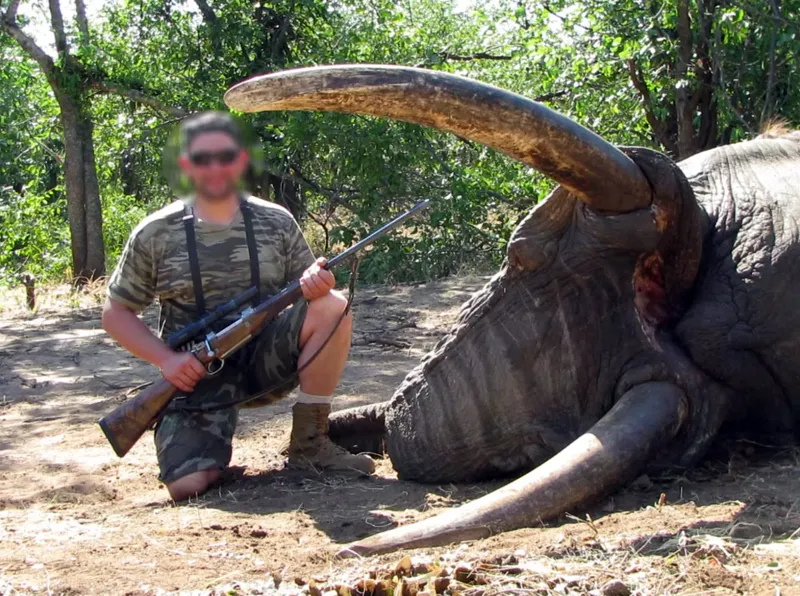
Our Zimbabwe-South private concession is situated alongside the breathtaking Limpopo River. This vast landscape is known for its big-tusked Elephant and shares unfenced borders with both Kruger National Park and Gonarezhou National Park. The biggest bull produced this past season weighed a staggering 96 pounds. We are also blessed with healthy numbers of leopards, with a fair quota released annually.
Through our conservation efforts and income generated by sustainable hunting, we are able to support and uplift local communities. Poverty has become the reality these people face every day and the situation is aggravated by regular human-wildlife conflict. Hunting addresses this problem and provides much-needed funding for social development programmes and in many cases, it also became the only source of protein they know.
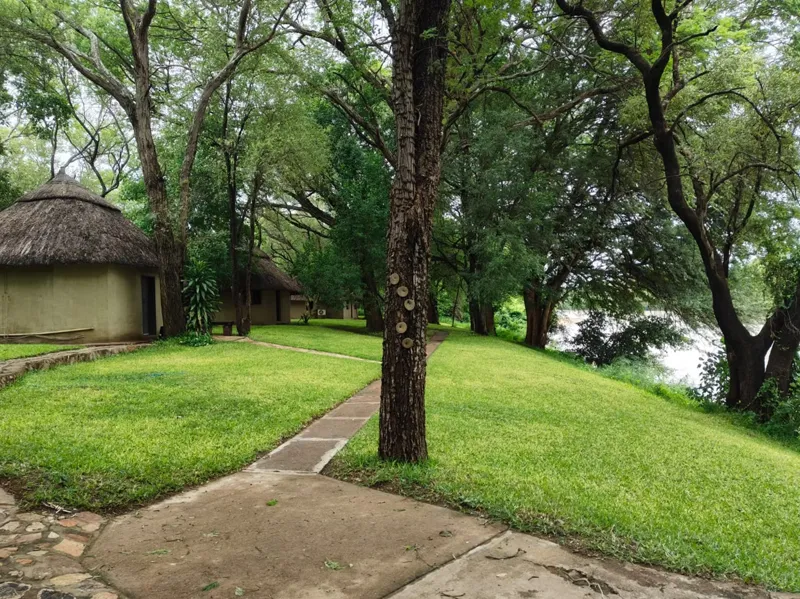
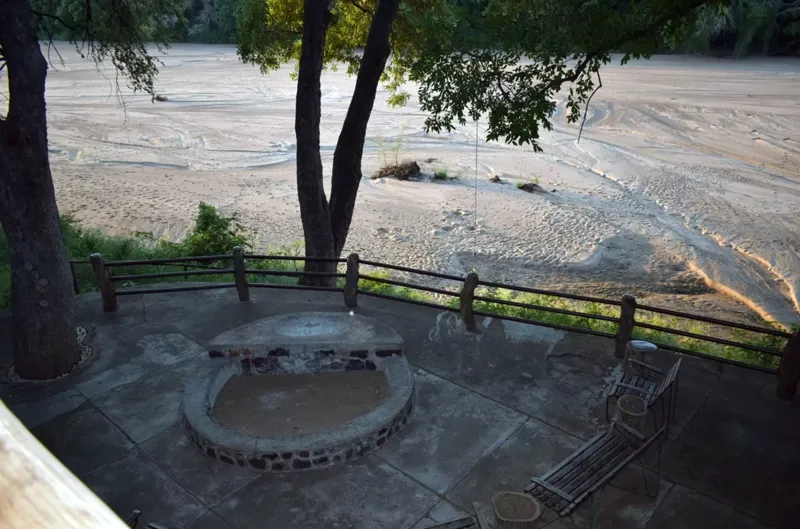
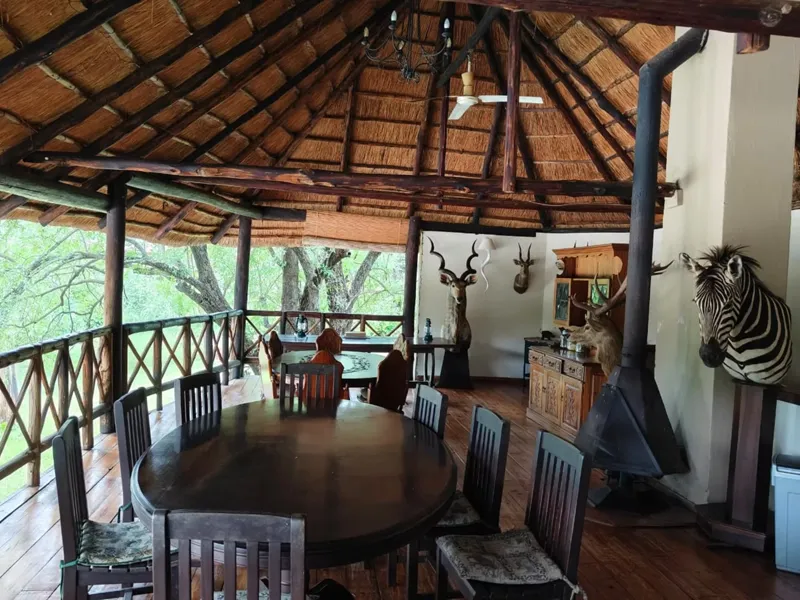
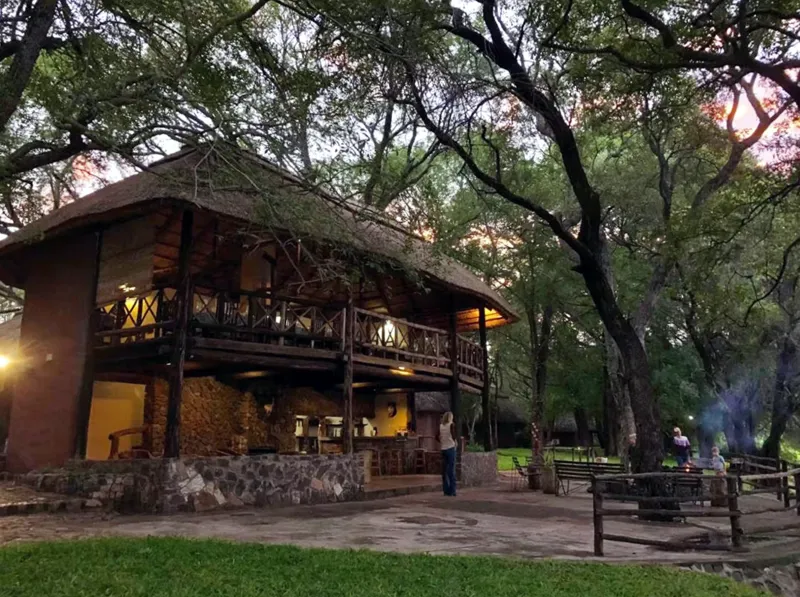
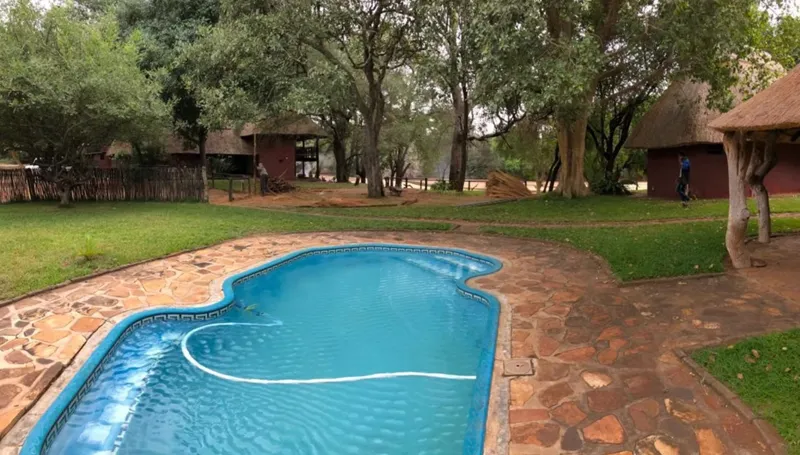
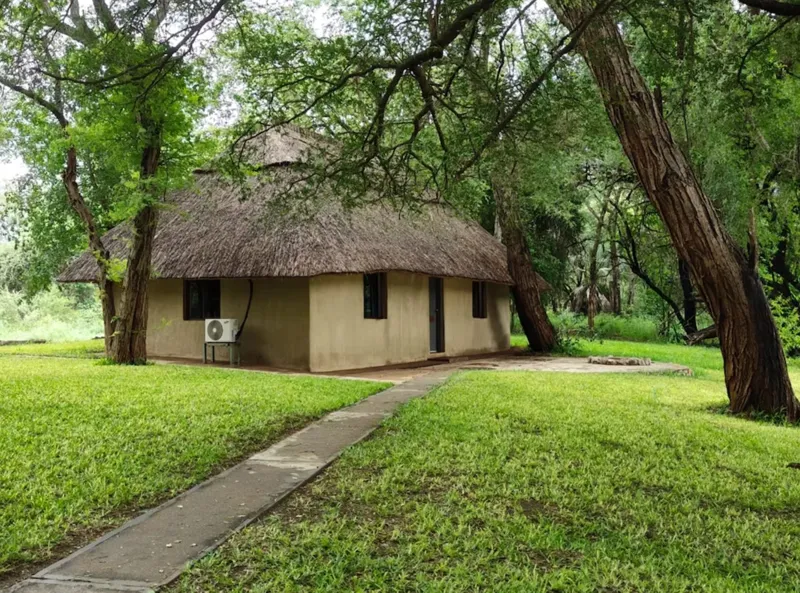
We have two camps in Zimbabwe due to the large size of our hunting area. Our main camp is a rustic thatched roof camp on the banks of the Bubi River, set in a dense riverine forest. Here we have six ensuite chalets. Our fly camp has all the basic amenities one might need with spacious ensuite canvas tents on raised concrete slabs, each with a shower, toilet and basin.
Prior to the hunt commencing, the Zimbabwe Parks and Wildlife Management Authority has to issue a hunting permit to each hunter. Chasing Africa’s Sunset will obtain this on our client’s behalf. An additional, special permit is required for certain species like leopards, lions, elephants, crocodiles, etc.
What makes your Zimbabwe hunting concession unique?
Our private Zimbabwe-South concession borders both Kruger and Gonarezhou National Parks with no fences, providing access to free-roaming game in their natural habitat. It’s known for producing massive tuskers, abundant leopard populations, and a true wilderness experience.
What species can I hunt in Zimbabwe?
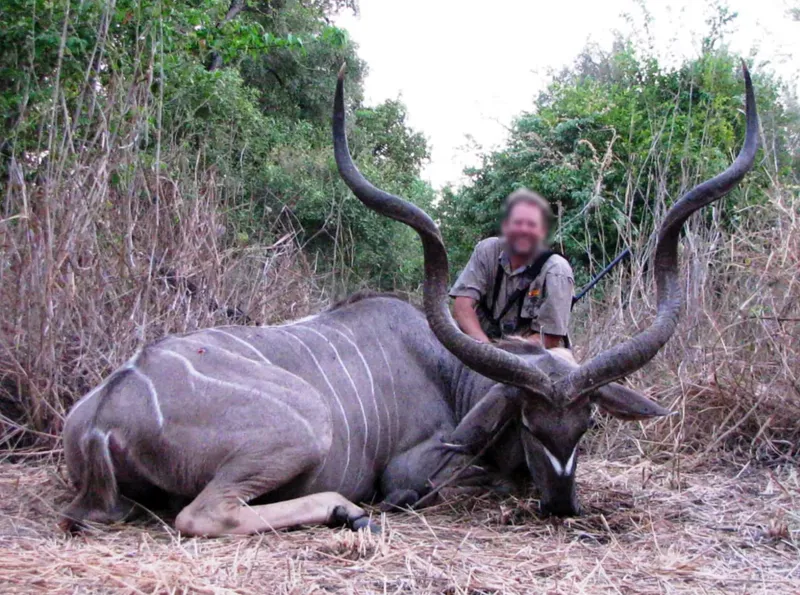
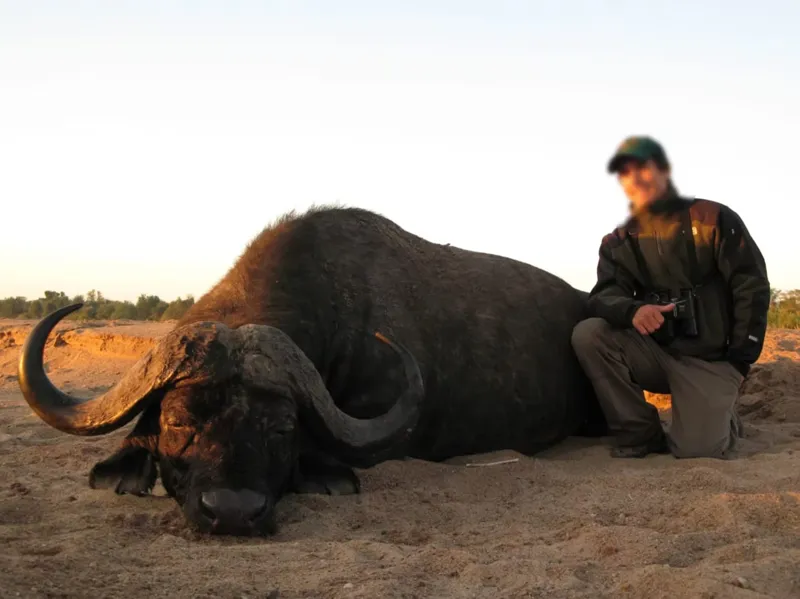
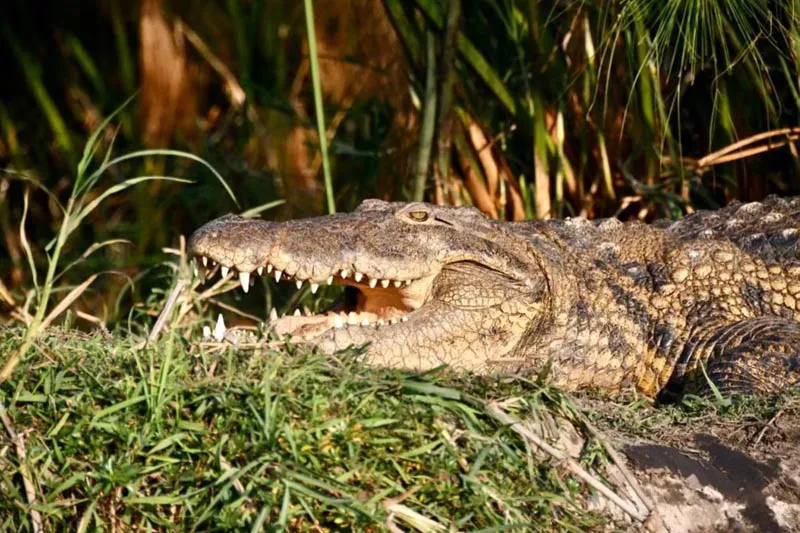
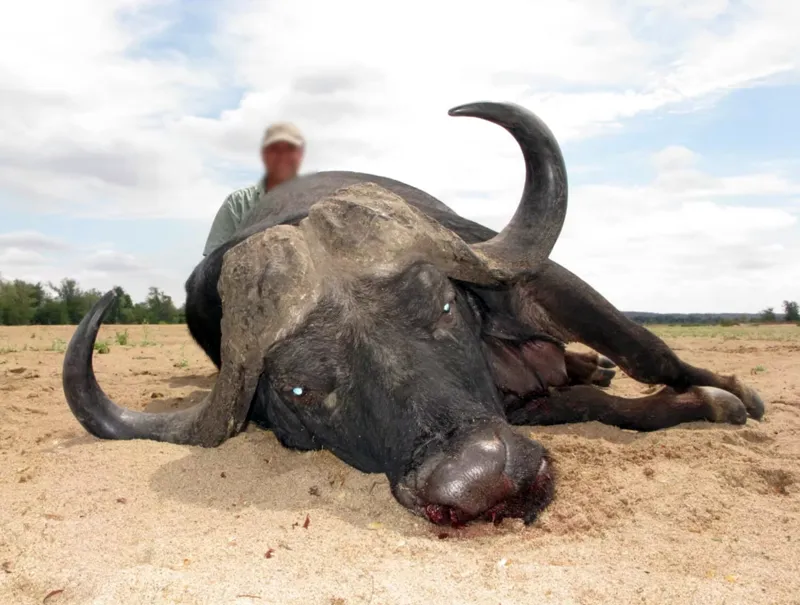
Zimbabwe offers a wide range of species, including big-tusked elephant, leopard, lion (with proper permits), buffalo, crocodile, hippo, and a variety of plains game such as kudu, sable, impala, and more.
What are the firearm regulations for hunting in Zimbabwe?
Hunters can import an unlimited number of rifles into Zimbabwe, but only three into South Africa. Semi-automatic, automatic, and military-grade firearms are prohibited. Each firearm must be registered using Form F.R. 20 at customs, along with a letter of invitation.
Can I bring my own ammunition?
Yes, you may bring up to 100 rounds per imported rifle. Only premium, bonded bullets and solids (especially for elephant) are permitted. Ammunition must be transported in a separate, locked case.
Is bow hunting allowed in Zimbabwe?
Yes, but only with a special permit. Compound bows are allowed on private and communal land. Crossbows, longbows, and recurve bows are not permitted, and bowhunting is not allowed in national parks or government-controlled areas.
What kind of accommodation is available on the concession?
We operate two camps: the main Bubi River camp with six ensuite thatched chalets, and a fly camp with spacious ensuite canvas tents on raised platforms, each equipped with shower, toilet, and basin.
How do I get a hunting permit in Zimbabwe?
All hunting permits are arranged through Chasing Africa’s Sunset in partnership with the Zimbabwe Parks and Wildlife Management Authority. Special permits for species like elephant, leopard, and crocodile are also secured by us in advance.
Can I rent a rifle instead of importing my own?
Yes, we offer a wide range of rental rifles suited for dangerous game and plains game. This is often a simpler and faster option for international travelers.
What caliber rifle is best for dangerous game?
For elephant, buffalo, and hippo, we recommend a .375 H&H or larger. For leopard, lion, and plains game, high .30-caliber rifles like the .308 or .300 Win Mag are ideal.
How does hunting support local communities in Zimbabwe?
Through sustainable hunting practices, we generate funding that supports community upliftment, job creation, and protein distribution in rural areas. It also helps reduce human-wildlife conflict by turning wildlife into a valuable asset for local people.


© 2025 Chasing Africas Sunset. All rights reserved. Website by LDJ